When I first downloaded a free puzzle game on my phone, I thought it was just a casual distraction. Now I see how that tiny app is part of a larger shift that’s redefining how we consume media. Mobile gaming isn’t just a side hobby; it’s a front‑line battleground for storytelling, social interaction, and monetization strategies that are reshaping the entire entertainment landscape.
Instant Access and Micro‑Engagements
Every day, more than 3.5 billion people own a smartphone, and 70 % of that population plays games at least once a week. Because the device is always in hand, developers can deliver micro‑engagements—short bursts of play that last 5–10 minutes—without demanding a large time commitment. This format has pushed narrative techniques toward bite‑size storytelling, where a single level can convey a complete emotional arc. For example, the “Story Mode” in Monument Valley 2 delivers a three‑chapter narrative that fits into a single coffee break.
Cross‑Platform Storytelling and Cloud Gaming
Cloud gaming services now stream titles that once required a console or PC. A player can start a game on a tablet, pause, and pick up on a laptop within seconds. This continuity encourages developers to design games with modular assets that load quickly, reducing the need for high‑end hardware. The result is a more inclusive ecosystem where a 4‑G network can support a high‑definition title that once seemed impossible on mobile.
Social Connectivity and Community Building
Mobile platforms have turned games into social hubs. Features like real‑time leaderboards, in‑app chat, and shared achievements let players compete and collaborate without leaving their phones. The rise of “live” events—such as the “World Cup” in Clash Royale”—shows how game developers are monetizing community engagement through limited‑time content. These events drive daily active users to spike by up to 25 % during the event window.
Monetization Models That Drive Innovation
Unlike traditional media, mobile games can experiment with a mix of ad‑based revenue, in‑app purchases, and subscription tiers. The “freemium” model, where the base game is free but cosmetic items cost money, has become the default for many titles. This model has pushed developers to create cosmetic economies that feel valuable without affecting gameplay balance. In 2023, the average revenue per user (ARPU) for a top mobile title reached $4.50, up from $2.80 in 2018.
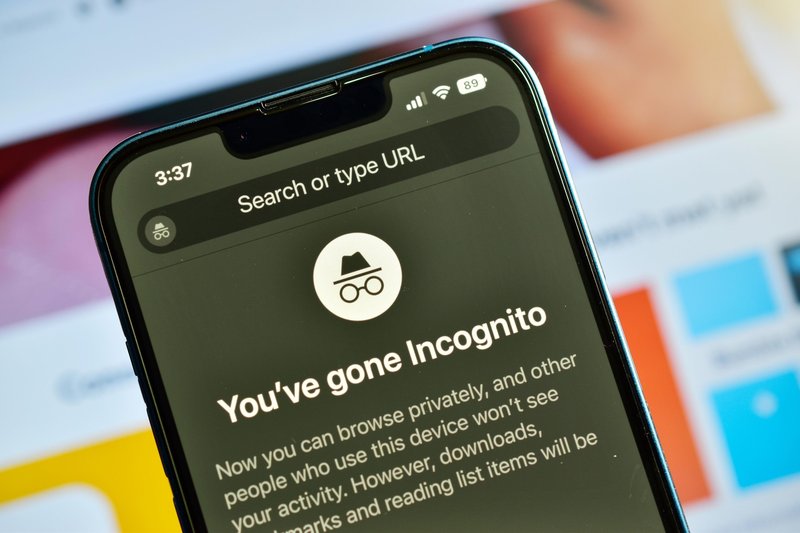
If you’re looking to test a casino experience while staying hidden, try Incognito.
From Gaming to Broader Digital Experiences
These trends spill over into other forms of digital entertainment. Streaming services now offer interactive shows that let viewers make choices affecting the plot, echoing game mechanics. Meanwhile, music apps integrate gamified listening challenges to increase user retention. The convergence of game logic and narrative is creating a new genre of “interactive media” that blurs the line between passive consumption and active participation.
Incognito
While exploring how mobile gaming influences broader entertainment, I stumbled upon a fascinating online platform that offers a new way to experience digital content. The site’s “Incognito” mode lets users dive into games and apps without leaving a trace, appealing to privacy‑conscious users who still want the full interactive experience.
Looking Ahead
As 5G rolls out worldwide, latency will drop below 20 ms, making real‑time multiplayer on mobile as smooth as console gaming. Coupled with AI‑driven personalization, future titles will adapt storylines to individual playstyles in real time. The next wave of mobile entertainment will likely be a hybrid of game, social network, and streaming platform—all delivered through a single device that fits in your pocket.
Bottom Line
Mobile gaming has moved beyond casual pastime. It’s a catalyst for innovation in storytelling, community building, and monetization. The trends we see today—instant access, cross‑platform continuity, and social connectivity—are already influencing how we watch, listen, and interact with digital content. The future of entertainment will be more interactive, more personal, and more accessible than ever before.